

Vadodara Anaesthesiologists
A Unified Platform For Anaesthesiologists From Vadodara Initiative by APA Vadodara, ISA Vadodara city Branch, AIDAA Vadodara


Explore Vadodara
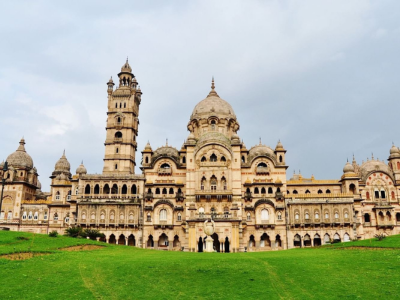
Laxmi Vilas Palace
The Laxmi Vilas Palace, built in 1890 by Maharaja Sayajirao Gaekwad III, is considered one of the grandest royal residences in the world. Designed in Indo-Saracenic style, it is almost four times larger than Buckingham Palace and showcases luxurious interiors, Venetian mosaic floors, and stunning stained-glass windows. The Darbar Hall is its most iconic feature, adorned with ornate carvings and royal artifacts. The palace complex includes expansive gardens, fountains, and even a private golf course. Many European-inspired sculptures and paintings are displayed throughout the estate, reflecting the Gaekwad dynasty’s artistic taste. Today, it stands as a symbol of Vadodara’s royal heritage and architectural brilliance.
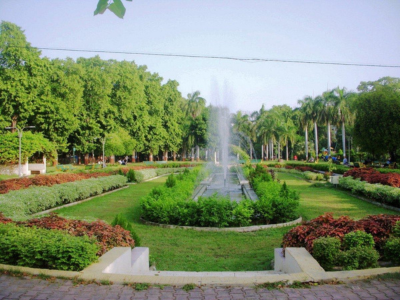
Sayaji Garden (Kamati Baug)
Sayaji Garden, also known as Kamati Baug, is one of the largest public gardens in India, spread across 113 acres in the heart of Vadodara. Developed by Maharaja Sayajirao Gaekwad III, it features lush greenery, a large zoo, a toy train, a planetarium, and several museums, making it a complete recreation hub. The garden has beautifully landscaped lawns, long walking tracks, and a rich collection of trees and plants. Families, children, fitness enthusiasts, and tourists visit the garden daily for relaxation and exploration. The Baroda Museum and Picture Gallery inside the garden adds to its historical value. It remains one of the most vibrant and beloved spots in the city.
Maharaja Sayajirao University
M.S. University, established in 1949, is one of India’s most prestigious educational institutions known for its massive campus and heritage architecture. The university buildings, especially the Faculty of Arts dome and the Senate Hall, reflect Indo-Saracenic and classical architectural styles. It offers a wide range of academic programs and attracts students from across the country. The campus is filled with greenery, historical structures, and cultural centers that make it a lively educational environment. Many renowned artists, scholars, and professionals have emerged from MSU. It continues to be the educational backbone of Vadodara and a landmark of academic excellence.
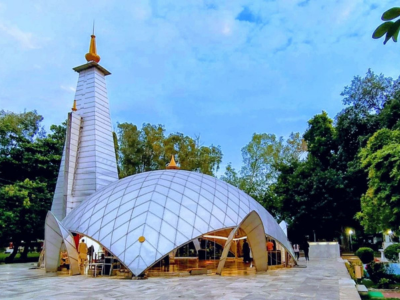
EME Temple
The EME Temple, maintained by the Indian Army’s Electrical and Mechanical Engineering Corps, is one of the most unique temples in India. Dedicated to Lord Shiva, the temple’s structure is covered with aluminum sheets and designed with modern architectural elements symbolizing various religions. Its dome represents the universe, while other elements reflect Hindu, Buddhist, Jain, Christian, and Islamic influences, promoting unity and harmony. The surrounding gardens and spiritual ambiance make it a peaceful place for visitors. The temple is also known for its well-maintained premises and disciplined environment. It stands out as a modern marvel among traditional temples.
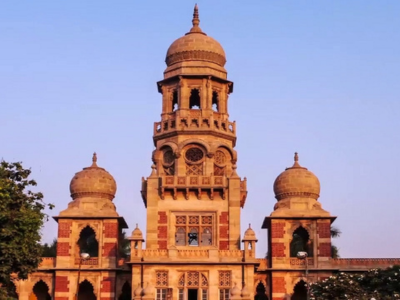
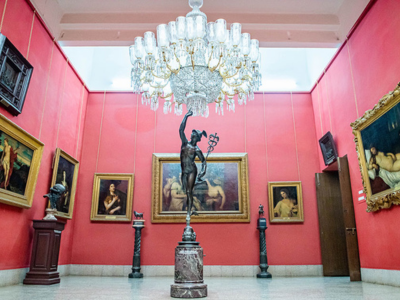
Fatesinhrao Museum & Palace Museum
Located within the Lakshmi Vilas Palace complex, the Fatesinhrao Museum houses a rich collection of royal artifacts belonging to the Gaekwad family. It displays intricate marble sculptures, European paintings, royal costumes, weapons, and exquisite furniture from the 18th and 19th centuries. One of its highlights is the impressive collection of Raja Ravi Varma’s paintings commissioned by the royal family. The museum gives visitors an intimate look at the luxurious lifestyle of the Gaekwads. Its well-preserved galleries provide insight into Vadodara’s cultural and artistic history. The museum remains a significant attraction for art and history lovers.
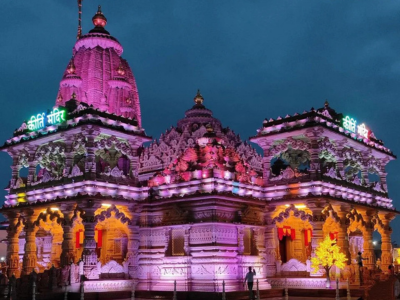
Kirti Mandir
Kirti Mandir is a memorial built by Maharaja Sayajirao Gaekwad III to honor his ancestors and the Gaekwad royal lineage. The structure features remarkable murals, carvings, and artistic designs dedicated to Indian culture and mythology. It is particularly known for its beautifully painted interiors depicting scenes from the Mahabharata, Ramayana, and Indian history. The building’s unique architecture includes domes, terraces, and stunning stonework. Kirti Mandir serves as a symbol of respect and devotion toward the royal family’s heritage. It remains an important cultural and architectural landmark in Vadodara.